Why Blue Anchor
Focuses on First Responders
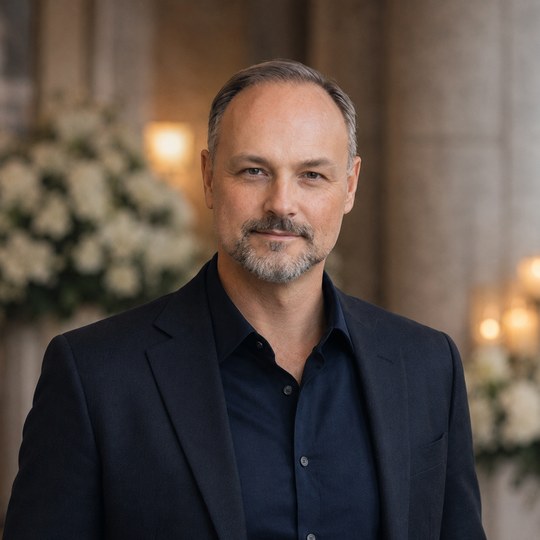
I spent 18 years in law enforcement — starting as a patrol officer in Connecticut before joining the Providence Police Department in Rhode Island, where I worked patrol, spent over seven years as a court prosecution inspector handling arraignments in the 6th District Court, and served simultaneously as a certified police instructor teaching recruits at the academy and training officers and detectives in-service — specializing in the investigation of domestic violence and sex assault. Before law enforcement, I was a volunteer firefighter and EMT in Connecticut for over a decade. I know what 20-plus years in public safety does to a person — not from research, but from living it.
The foundation for Blue Anchor was laid earlier than most people realize. When I served as Director of the Providence Police Explorer Program, I integrated physical fitness, health, and wellness into the training of young people preparing for careers in law enforcement. That work made one thing clear: the job demands a kind of preparation the profession almost never builds in — and by the time most officers realize it, the damage is already accumulating.
I also know this from personal experience. The cumulative weight of the job — the stress, the unprocessed trauma, the anxiety that built up without a clean outlet — eventually caught up with me. I struggled with alcohol abuse. When I reached out for help, I ran into the very problems Blue Anchor is designed to address: stigma from coworkers, a process that put my name in places the department could see and paperwork that did not feel private, and thoughts I didn't feel safe voicing to anyone inside the system. I got through it. I am in full, strong recovery — and healthier now than I've been in years. But I understand firsthand what it costs to need help and have nowhere to turn that actually feels safe.
I built Blue Anchor because I watched what happened to officers who needed support but had nowhere realistic to turn. The programs available weren't built for rotating shifts. The language felt clinical to people who spent their careers treating anything that looked like a weakness as a liability. And everyone in the profession knows what happens when your name ends up on the wrong piece of paperwork. Blue Anchor is the alternative — no department involvement, no HR, no clinical framing. Its program is built around the actual life of a first responder and helps you understand stress, fatigue, nervous system strain, physical health, relationships, recovery, and life beyond the badge in a way that feels useful, direct, and grounded in the reality of the work.
I hold a Master of Science in Criminology and Criminal Justice from Florida International University. I bring my background in law enforcement, emergency services, and my own recovery to every group I run — alongside a genuine passion for health, wellness, and helping people build lives that are actually worth living when the shift ends. That combination is what Blue Anchor is built on: someone who has been on the job, understands what it costs, and is committed to helping others come out of it better than they went in.